
Your dog could be someone's best day ever.
Therapy dogs don't just make people feel good — they make the impossible feel possible.
More Than a Friendly Dog
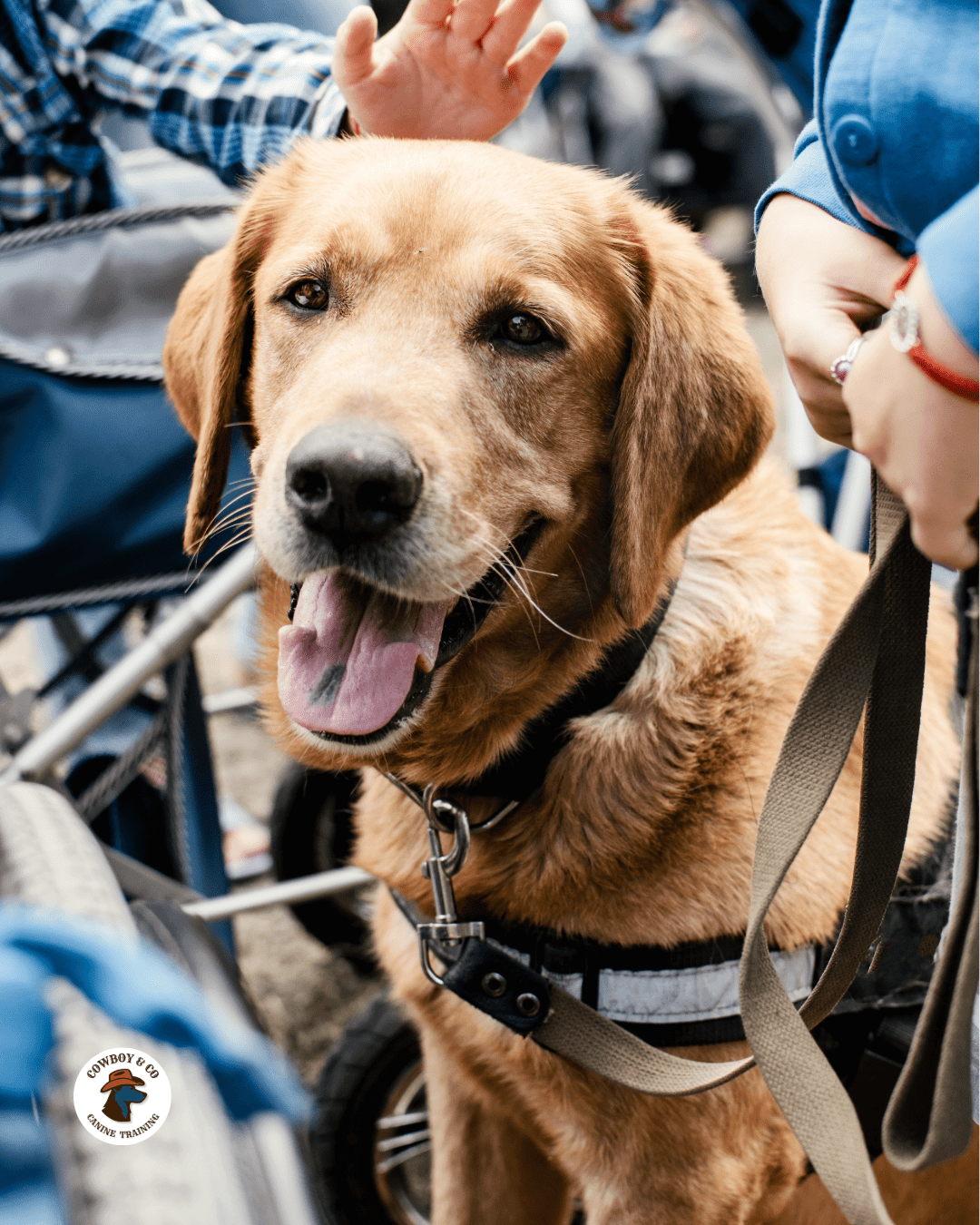
Anyone who's seen a therapy dog walk into a hospital room or a school after a hard week knows the look — that immediate shift in someone's face. That's not just cuteness. That's a trained dog doing exactly what they were prepared to do.
Therapy dog work isn't for every dog, and it's not just about being sweet. It takes a dog who can stay calm in a wheelchair-filled hallway, tolerate strangers reaching out without warning, and keep their head when things get unpredictable. That's not a personality trait — it's training.
Not sure if your dog has what it takes? Let's find out together.
Book a consultation and I'll give you an honest assessment of where your dog is and what it'll take to get them there. No pressure, no commitment.
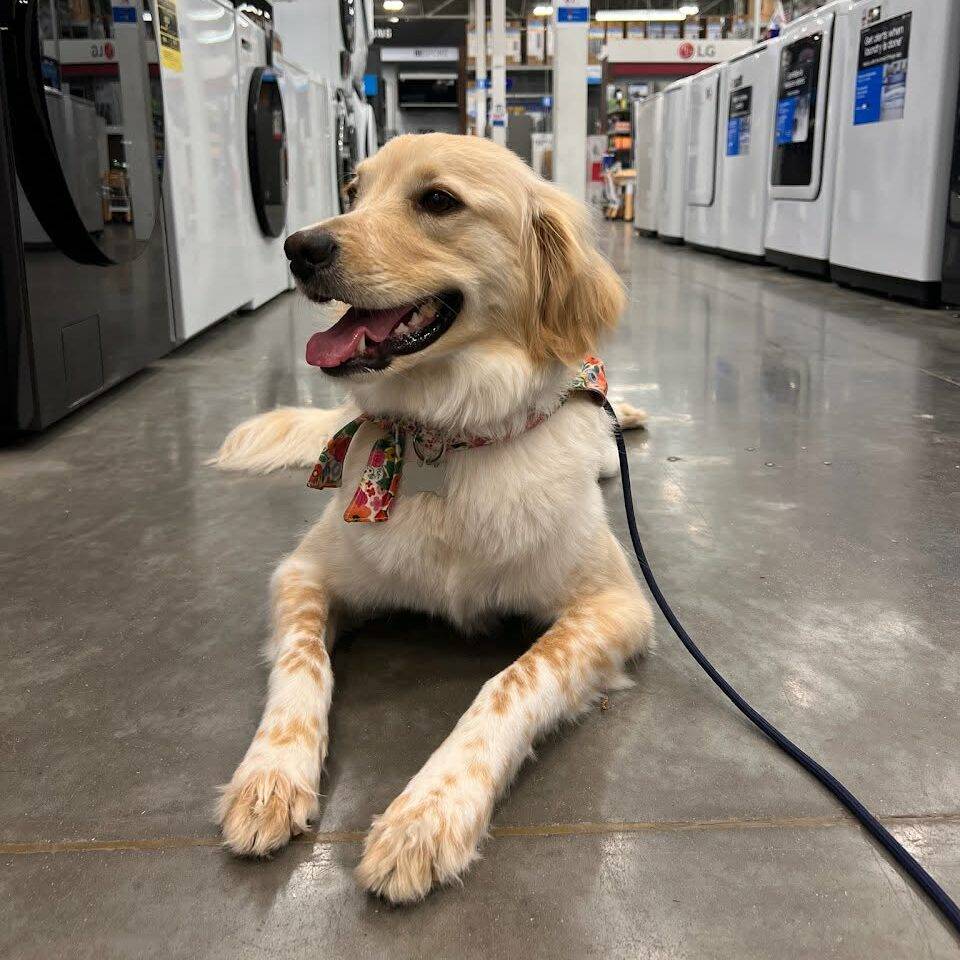
Therapy Dogs Are More than Well-Trained Pups
Foundation & Temperament
Before anything else, we figure out if therapy work is a good fit for your dog. If your dog has the right temperament, we'll build right foundation:
- Solid obedience in real-world environments
- Neutral, calm behavior around strangers and people who move or act unpredictably or have disabilities
- Confidence around equipment like wheelchairs, walkers, and IV poles
- Controlled greetings where your dog waits to be invited
Certification Prep
Once your dog is ready, we'll prepare for evaluation with a recognized therapy dog organization:
- Canine Good Citizen (CGC) test preparation
- CGC Test (I'm a certified CGC tester)
- Alliance of Therapy Dogs, Pet Partners, or your preferred organization's requirements (AKC also has a list)
- Practice scenarios that mirror real visit environments in schools, senior centers, and hospitals
- Handler skills — because how you show up matters too
My Approach
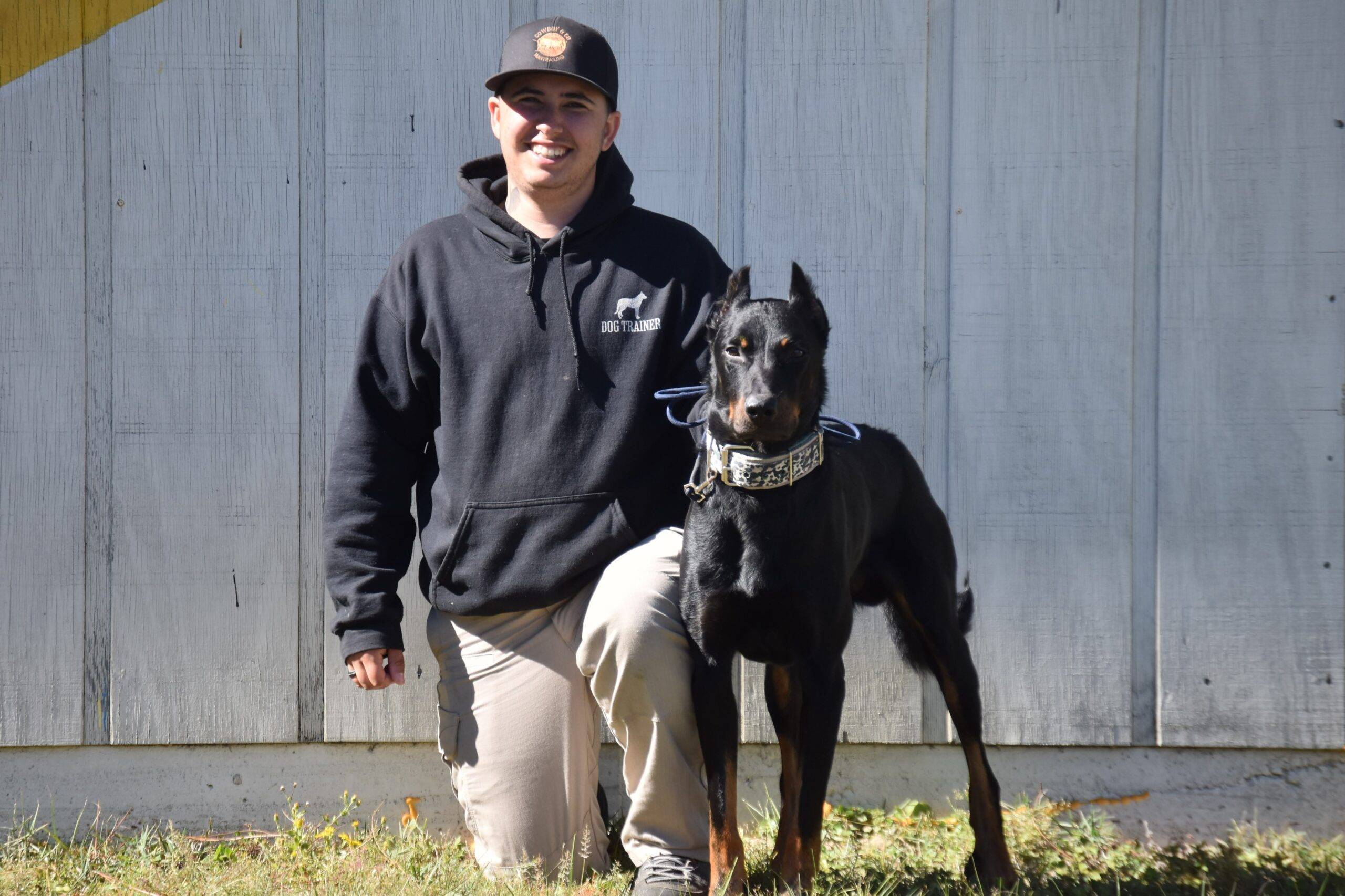
Therapy dog work is one of the most demanding things you can ask of a dog — not physically, but emotionally. They have to be "on" in environments that are sometimes chaotic, sometimes heartbreaking, and always unpredictable. That requires a dog who's not just obedient, but genuinely comfortable.
I won't rush that. If your dog needs more time to build confidence before we add complexity, we take that time. A therapy dog who's pushed too fast becomes a dog who shuts down in the field — and that helps no one.
What I will do is be honest with you about where your dog is, what they need, and whether therapy work is the right path for them.
Is My Dog a Candidate for Therapy Dog Training?
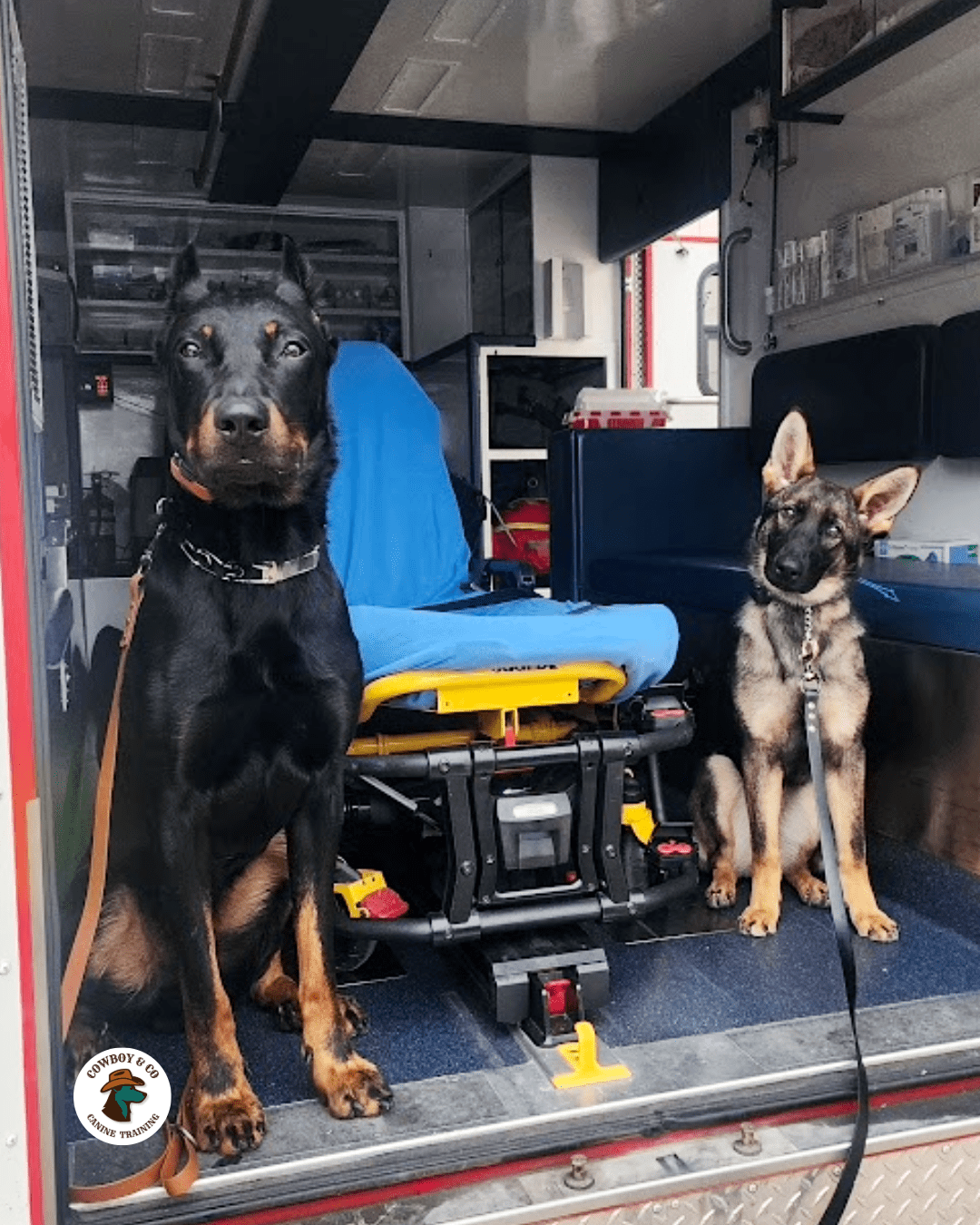
Not every dog is suited for therapy work, and that's okay.
I look for a few things before we start:
- Stable, social temperament — enjoys meeting new people without being overwhelming
- No significant reactivity to dogs, sounds, or sudden movement
- At least basic obedience already in place (or willingness to work on it first)
- A handler who's committed to doing visits regularly — the training doesn't maintain itself
If you're not sure, the consultation is exactly the place to figure it out.
What to Expect During a Therapy Dog Assessment
We'll start with an honest evaluation of your dog's current temperament and skills. From there, I'll lay out exactly what the path to certification looks like — timelines, what we'll work on, and what it'll cost. No vague promises, no fake guarantees.
All programs include follow-up support, and I'll be with you through the certification process.
Ready to Find Out If Your Dog Has It?
Every therapy dog team starts with a conversation. I'll come to you (within 20 miles of Richardson), meet your dog, and give you a real picture of the road ahead.