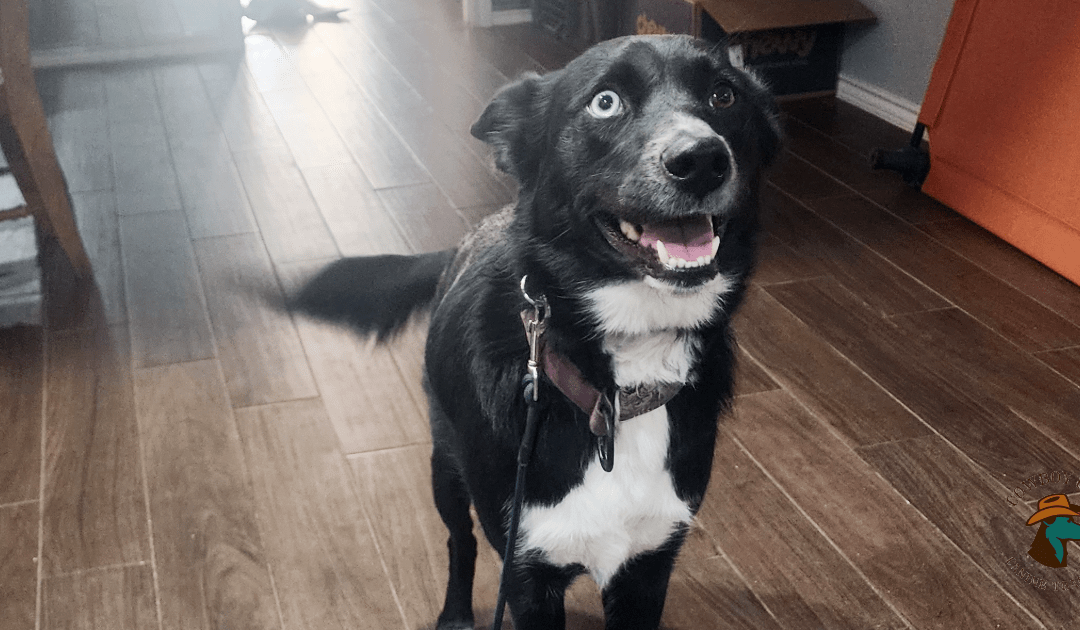
You love your dog… and you consistently put in focused time to work with them. So why isn't the training clicking? They may not be ready for what you're asking, but there's also a pretty good chance that you're making at least one of these five common dog training mistakes.
The good news is that every single one of them is fixable.
The hard truth, the one none of us wants to hear, is that dog training problems aren't usually about the dog. There’s usually something happening on the other end of the leash causing it. These may be the most common problems I help my clients solve, they’re pet parents and aspiring handlers doing their level best, working hard, and still wondering why their dog seems confused, distracted, or just plain stubborn.
Nine times out of ten, the answer isn't stubbornness — yes, it can be, but that’s for another article. Most likely, it’s one of these five accidental mistakes. Read through them, be honest with yourself, make changes, and watch things start to shift.
Mistake #1: Repeating Cues Instead of Waiting for a Response
"Sit. Sit. Sit — Buddy, sit. Sit! I said sit. Sit. Siiiiiiiiit." Sound familiar? This habit, which trainers call cue nagging, is one of the most widespread mistakes in dog training — and it directly teaches your dog to ignore you.
Every time you repeat a command your dog doesn't respond to, you're reinforcing a new, accidental rule: "I don't have to respond until I hear it five times." You've accidentally trained them to tune out the first few repetitions.
If you want a human example, think about that kid whose mom says, “At the count of three, you better be moving.” The kid always waits for 2 and a half, don’t they?
Your dog is the same. They can count too!
The same problem shows up with recall. If you say "come" once and your dog doesn't respond, so you keep repeating it. Before long, "come, come, come, come" is the actual command — and a single "come" means nothing.
The fix: say the command once, clearly and calmly. If your dog doesn't respond, reset the situation — move closer, reduce distractions, use a higher-value reward — and try again from scratch. You're teaching them that every cue counts from the very first word. Fixing
Mistake #2: Inconsistent Rules Across the Household
Is your dog allowed on the couch? The answer had better be the same whether it's Tuesday morning or Saturday night — and whether it's you, your partner, or your kids enforcing the rule.
Dogs don't generalize rules from person to person. When the rules shift — on the couch with one person, off with another — your dog isn't being rebellious. They're genuinely confused. They're constantly testing boundaries because you have never set a consistent boundary.
This applies to commands too. If you say "down" to mean lie down, but your spouse says "down" to mean get off the furniture, your dog is getting crossed signals. They can't distinguish — they just know that "down" sometimes gets a treat and sometimes gets a scolding.
The fix: hold a quick family meeting. Agree on the rules and the exact words for each command. Write them down if you have to. Getting everyone in the house consistent is more powerful than any single training technique.
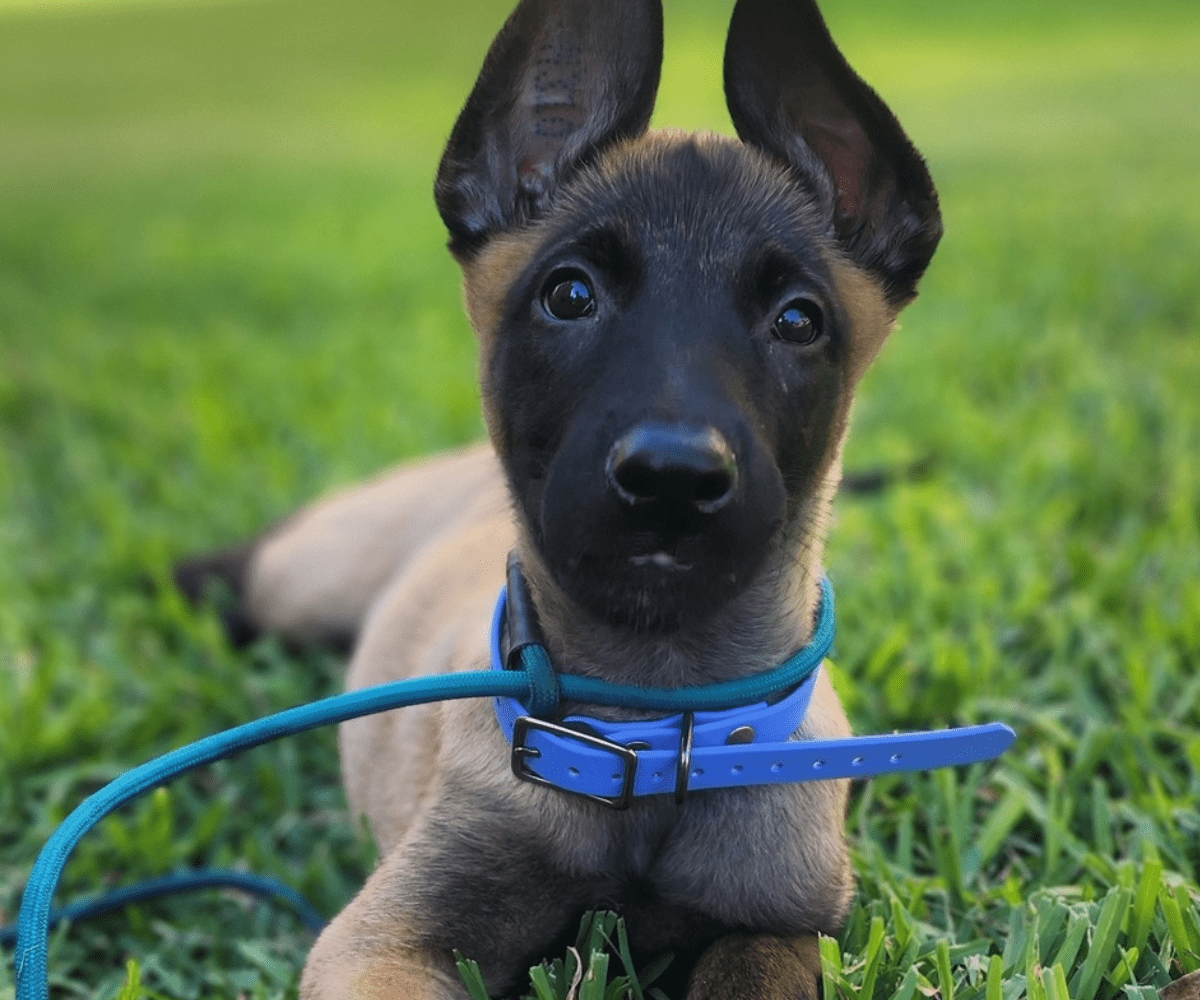
Mistake #3: Rewarding Too Late — Timing Is Everything
Your dog finally holds a sit. You're thrilled. You reach into your pocket, unwrap a treat, and hand it over. Your dog, meanwhile, has already stood up, sniffed the floor, and started walking away. You just rewarded that.
Dogs connect reward to whatever they were doing in the last second or two before it arrived. When the treat comes late, you're not reinforcing the behavior you wanted — you're reinforcing the sniffing, or the moving away, or just random standing around.
This is why many trainers use a marker — a clicker, or a sharp "Yes!" — to bridge the gap. The marker fires the instant the desired behavior happens, then the treat follows. Your dog learns that the marker means "that thing you just did earns a reward," even if the treat takes a moment to arrive.
The fix: keep treats in an easily accessible spot before every session. Practice clicking or saying "Yes!" the moment the behavior happens, then follow with the treat. Clean timing makes everything else work better. It's the single fastest way to speed up your dog's progress.
Mistake #4: Training Sessions that Go on Too Long
When training is going well, it feels productive to keep going. But your dog's attention span has a hard ceiling, and pushing past it doesn't build on your progress — it erodes it.
Most dogs start losing focus after 10 to 15 minutes. Many puppies tap out around 5. A dog that's mentally fatigued isn't learning anymore because they're making mistakes and getting frustrated. Sessions that drag on can actually create a negative association with training, making future sessions harder.
More sessions, shorter in length, are almost always better than one long marathon. Three 5-minute sessions spread through the day will outperform a single 45-minute slog every single time.
The fix: set a timer. Keep sessions to 5–10 minutes for puppies and 10–15 minutes for adult dogs. Always end on a win — ask for something your dog already knows well, reward it generously, and stop while they still want more. Leaving them wanting more is how you build a dog that looks forward to training.
Mistake #5: Accidentally Reinforcing the Behavior You're Trying to Stop
This one catches almost everyone. Your dog jumps on you when you walk in the door — so you reach down, make eye contact, and say "No, down!" in a firm voice. From your perspective, that was a correction. From your dog's perspective, they jumped on you, and you immediately gave them your full attention. They did it right!
Dogs don't really distinguish between positive and negative attention the way humans do. Any attention — including scolding — can reinforce a behavior. If your dog barks at the back door and you open it up to quiet them, you've taught them that barking opens doors. If you slip food from your plate to stop the begging, you've taught them that begging reliably produces food.
The same principle works in your favor: behaviors that get rewarded get repeated. So the goal isn't just to stop reacting to the bad stuff — it's to actively catch and reward the good stuff before the bad stuff has a chance to start.
The fix: for unwanted behaviors, remove all attention. Turn away, cross your arms, and wait. The moment your dog offers something acceptable — sitting instead of jumping, quiet instead of barking — that's when you engage. A dog who is sitting cannot simultaneously be jumping up.
The Bottom Line
None of these mistakes make you a bad owner. They make you a normal human who loves their dog! I’ve caught myself doing most of these things at different times and so have the other trainers I know. Learning how to spot your own mistakes is sometimes the hardest part. You can try recording training sessions if you suspect something on your end is going wrong. The objective view of the camera lens often exposes things we didn’t know we were doing.
The shift from frustrating to rewarding training doesn’t mean learning a dozen new techniques. It's about cleaning up these foundational habits: say it once, keep the rules consistent, reward at the right moment, keep sessions short, and pay attention to what you're accidentally teaching.
Get those five things right, and you'll be amazed at the changes you see. They were born ready — they were just waiting for clear signals.
Ready to get some expert eyes on your training? Book a free consultation with to find out how I can help you.
FAQ: Common Dog Training Mistakes
Q: Why does my dog ignore me when I give a command or a cue?
Probably because you've accidentally taught them they don't have to listen the first time. If you say "sit, sit, sit — Buddy, sit, SIT" every time, your dog has learned that the real cue is the fifth repetition — not the first. Trainers call it cue nagging, and it's one of the most widespread mistakes out there.
Q: Why does my dog listen to me but not my spouse / kids?
Because the rules aren't the same coming from each person, and your dog knows it. Dogs don't generalize rules from one person to another. If they're allowed on the couch with one family member but not another, they're not being stubborn — they're confused, and they're constantly testing because no consistent boundary has ever been set. Same goes for commands: if "down" means lie down to you and get off the furniture to your spouse, your dog is getting crossed signals every single time.
Q: How do I get my dog to stop jumping / barking for attention?
Stop giving them attention when they do it — and that includes corrections. When you reach down, make eye contact, and say "no, down!" your dog doesn't hear a scolding. They hear: "I jumped on them and immediately got their full attention." Dogs don't distinguish between positive and negative attention the way we do. Any reaction can reinforce a behavior. The move is to turn away, cross your arms, and wait. The second they offer something better, like a sit, or just standing calmly in front of you, you engage.
Discover more from Cowboy & Co Canine Training
Subscribe to get the latest posts sent to your email.