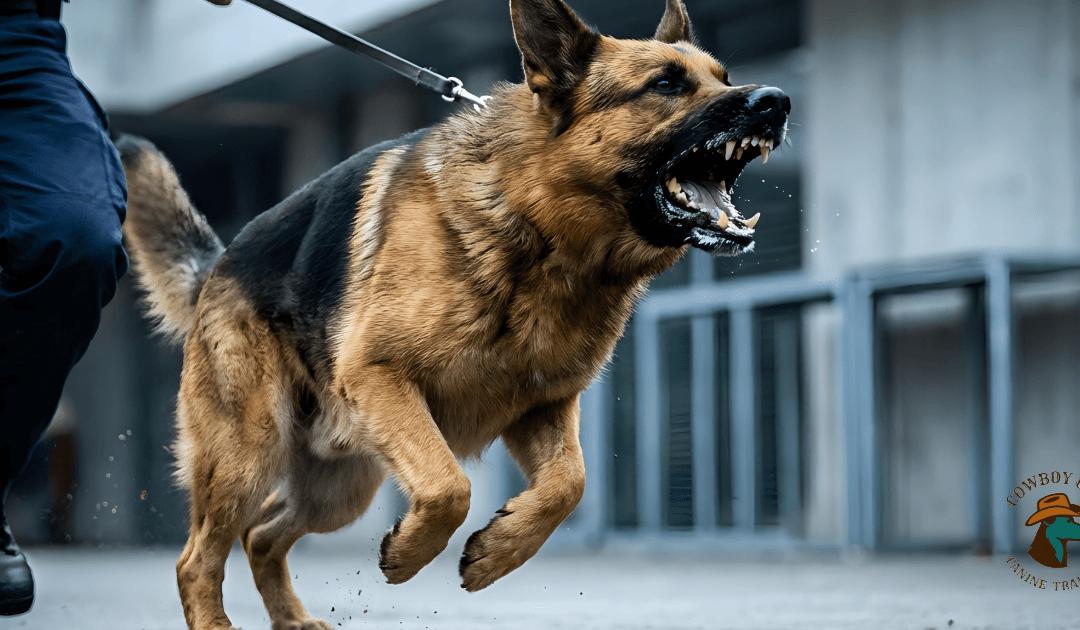
If your dog barks, lunges, or melts down on leash, you’re not alone. Leash reactivity is one of the most common—and most misunderstood—behavior problems dog owners face.
One minute you’re walking. The next, your dog is pulling and barking, while you desperately try to get them under control...and everyone around you stares. It's frustrating and sometimes frightening, but leash reactivity is manageable, and most dogs improve with the right approach. I'm breaking down what leash reactivity is, why it happens, and how to help a reactive dog feel calmer and more in control on walks.
What Is Leash Reactivity?
Leash reactivity is an intense emotional response to triggers while a dog is on leash. Some pet parents have described them as panic attacks. But it's not always a fear response, it can also be a buildup of frustration. For example, those squirrels your dog loves to chase across the backyard?
That's fine when your dog's free to chase them, but add a leash into the mix and your dog can get frustrated because they can't go where they want. That frustration can easily overwhelm a dog to the point where it becomes explosive. At that point, they have no choice but to release it somehow.
Common triggers include:
- Other dogs
- People
- Bikes or strollers
- Trashcans out of place
- Bags being blown down the street
Common Signs of a Reactive Dog on Leash
There are a few typical signs of leash reactivity that can look aggressive—especially when your dog is barking or lunging. If your dog does some or all of the following, there's definitely some reactivity going on:
- Barking or lunging at dogs or people
- Whining or crying when approaching triggers
- Fixation and hard stares
- Trying to hide or escape
- Stiff posture and dilated pupils
When these behaviors only happen when your dog is on-leash, you're most likely dealing with leash reactivity and not aggression. But if you're at all unsure, please find a professional dog trainer who can help you figure it out.
Reactive does not mean aggressive.
The very first reactive dog I worked with was a big Pyrenees. He didn't have a mean bone in his body, but while I was working with him a little Maltese walked by us. The Pyrenees instantly started reacting. My boss at the time told me to just keep him in a heel, keep working with him. This poor dog got so frustrated that he finally reached his tipping point — as trainers say, he went over threshold. When he did, he crouched down, and jumped up on his hind legs and did a sort of bear attack. He pawed it me with his front legs, he never actually tried to bite, he was frustrated and didn't think he had any other options.
Most reactive dogs are like this: afraid, frustrated, or just overwhelmed and overstimulated by whatever is going on — almost no reactive dog actually wants to attack. Yes, there are a few truly aggressive dogs, but in my experience those are few and far between. Unfortunately, reactive dogs get labeled as aggressive because we humans don't understand dog behavior.
The leash itself often makes things worse, because when a dog feels threatened or frustrated, their nervous system demands they do one of two things: fight or flight. When they're leashed, the flight option is taken off the table entirely. So, they lash out and the reaction escalates because they don't see a way out.
Why Dogs Become Reactive on Leash
It's easy to believe that your dog's explosive leash behavior is deliberate, and many frustrated pet owners thought their beloved pooch was being stubborn or trying to be dominant. If your dog is reactive, remember that this is an emotional response with absolutely no thought behind it.
Common causes of leash-reactivity (and other types of reactivity) include:
- Limited or poor early socialization
- Past negative experiences
- High‑drive or high‑arousal genetics
- Accidental reinforcement from handlers
Over time, dogs learn that barking and lunging make the scary thing go away. That relief reinforces the behavior, making reactions stronger and faster. Over time, it develops into a dog that you can't take anywhere, for fear of them losing it on some poor, unsuspecting skateboard.
Early Signs of Leash Reactivity
Reactivity doesn’t start with barking—it starts quietly. It's up to us to identify these things before they escalate. When you can catch it before your dog goes over threshold, you can manage it. Watch for things like:
- Hyper-vigilance
- Sudden stiffness
- Hard staring
- Whale eye or pinned ears
This progression is often called the stress ladder. Once a dog crosses their threshold, learning stops and reactions take over. Any training you hope to do must happen before that point. Don't bother trying to work with them when they're in the middle of a reaction, because their brains have essentially shut off.
Short‑Term Management for Leash Reactivity
Management lowers stress while you're working on the problem, but they aren't long-term solutions. However, they'll help you bridge the gap while you work with your dog. Effective strategies include:
- Using well-fitted collar they cannot slip out of, such as martingale collars
- Walking during low‑traffic times
- Creating distance with U‑turns
Remember that management isn’t avoidance — it’s setting your dog up to succeed so they can make gradual progress without reinforcing the problem.
Training Methods That Help Reactive Dogs
Because leash reactivity is emotional, change happens gradually. It's okay to push just a little at a time, getting them right up to the edge of their limit, but don't do it every time.
Counter‑conditioning
Pair triggers with positive outcomes at safe distances. The idea is that they'll see their trigger at a distance, and you offer a high value reward to keep them focused on you. Eventually, they begin associating their trigger with positive emotions instead of fear or anxiety.
Desensitization
Expose your dog to triggers below threshold, increasing difficulty slowly. Desensitization works by gradually reducing your dog's emotional sensitivity to whatever sets them off. So you start with them at the far end of their threshold where they can see and possibly look at their trigger, but stays relatively calm. Over time, you work your way closer and closer as they develop more self-confidence and become less reactive.
Look At That (LAT)
Teach your dog to notice triggers without fixating, then re‑engage with you. For this, you teach dogs that looking at stuff while still able to break away and look back at you earns rewards (treats, toys, praise). Once that part is solid, you add the trigger at a safe distance that's still under their threshold. Follow the same procedure, moving closer over time.
Support tools
Short‑term calming supplements or medications may help some dogs learn more effectively. If you get stuck, reach out for professional guidance. It's hard to see the full picture when you're in the middle of the fight.
Mistakes That Can Worsen Leash Reactivity
When you're in the middle of reactivity, it's tempting to try to force the issue, punish or correct reactions, or get impatient. However, those are all things that will set you back and possibly entrench your dog's reactivity even further. Along with that, you and your family members must be on the same page. If your spouse or partner constantly pushes your dog over threshold, it's going to get worse. In the end, every dog is different and you're not looking for perfection, but progress. So remember that your dog's progress will look different at different stages:
- A calm glance instead of a lunge
- Grumbling and whining instead of barking
- Looking at you instead of the trigger
Mark and reward the progress when you see it, and your dog will give you more of that. Then, you start rewarding the next bit of progress.
Can Leash Reactivity Be Fixed?
Yes! The good news is that most reactive dogs improve significantly with consistency, clarity, and patience. Leash reactivity doesn’t mean your dog is broken. It only means they need help learning how to feel safe and think clearly.
If leash reactivity is making walks stressful, professional help can speed things up. Reach out to me to get support tailored to your dog.

Frequently Asked Questions
What causes leash reactivity in dogs?
Leash reactivity is usually caused by fear, frustration, or overstimulation combined with the restriction of a leash.
Is leash reactivity the same as aggression?
No. Most reactive dogs are not aggressive — they’re overwhelmed and unable to cope in the moment. Another way to put this is to imagine yourself in a panicked moment: are you thinking clearly or just responding on instinct to whatever is in front of you? Now imagine your dog in the same situation: they don't understand human speech, only the tone, and they don't have the context to understand what's going on.
Can a reactive dog be trained?
Yes. With proper management and behavior modification, most reactive dogs show significant improvement. Some even become social butterflies!
Should I punish my dog for reacting on leash?
No, punishment often increases their anxiety level and makes the problem worse. Remember, your dog is reacting, not thinking. So punishment can increase that fear-based response. Addressing emotions is more effective.
Discover more from Cowboy & Co Canine Training
Subscribe to get the latest posts sent to your email.