Leash pulling is probably the number one thing people ask me about. And honestly, it's one of the most fixable problems — once you understand why it's happening in the first place.
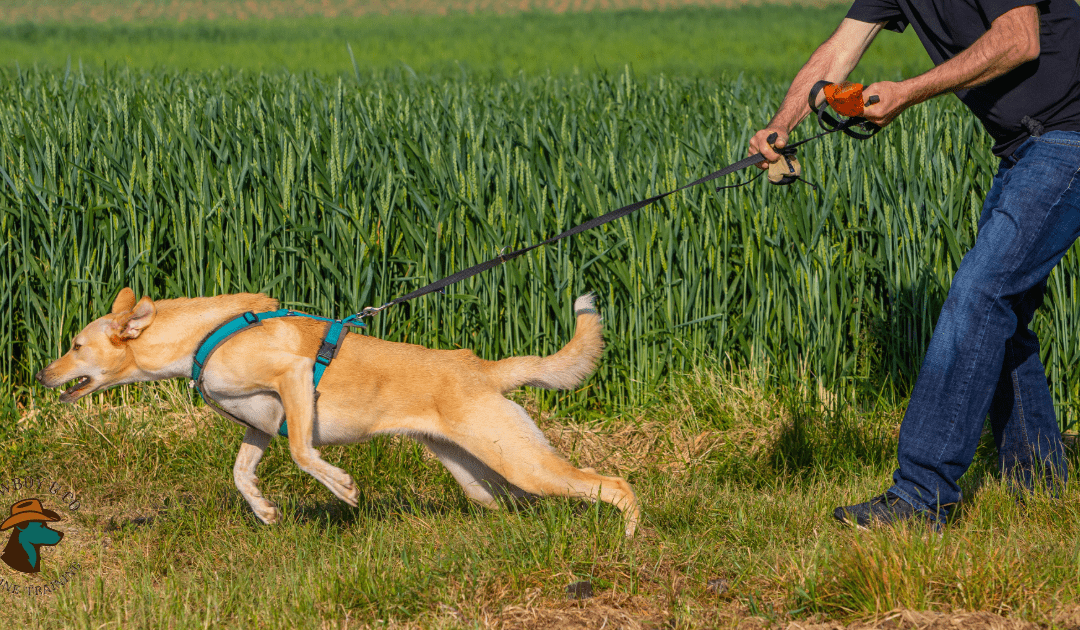
The short version: your dog pulls because pulling works. Every time they lunge toward something interesting and you follow, they learn that pulling is the correct strategy. They're not being dominant. They're not trying to take charge of the walk. They just figured out the most efficient way to get where they want to go.
So the fix isn't about being more forceful. It's about changing the equation.
How People Accidentally Make Leash Pulling Worse
The most common approach I see is constant leash pressure — a kind of low-grade tug-of-war where the owner holds back and the dog leans forward and they both just suffer through it.
The problem is that steady tension actually teaches your dog to pull against steady tension. It becomes background noise. They stop noticing it, and you've got a dog who tows you down the sidewalk without even registering that you're on the other end of the leash.
The other common mistake is letting the walk happen whenever the dog decides it's happening. Your dog hits the end of the leash, you follow, and the whole thing repeats until you're home. From the dog's perspective, the walk ran exactly as planned.
What Does Loose-Leash Walking Look Like?
Before we fix anything, let's get clear on what we're working toward. Loose-leash walking doesn't mean your dog walks in a perfect heel at your left knee the entire time. That's heel work, and it's a different skill.
Loose-leash walking means there's slack in the leash. Your dog can sniff around, check things out, walk at their own pace — as long as the leash isn't tight. It's a reasonable expectation for a normal walk, and it makes the whole experience better for both of you.
How I Teach Dogs to Walk Nicely
I teach loose-leash walking in two phases: building the right association first, then proofing it in the real world.
Teach the Leash to Mean Something
Before we ever worry about the walk, I want the dog to understand one thing: a tight leash is information, not a battle. When the leash gets tight, movement stops. When it goes loose, movement resumes.
Start in a low-distraction area — your backyard, a quiet hallway, wherever your dog can actually think. The moment your dog hits the end of the leash and creates tension, you stop completely. No verbal correction, no yanking back. Just stop.
Wait. The second the dog adjusts and the leash goes slack — even slightly — mark it (a cluck, a 'yes,' whatever you use) and start moving again. That's the whole game at first.
Most dogs figure this out faster than their owners expect. Within a few sessions, you'll see your dog start to self-regulate — they hit the end, they feel the pressure, and they back off before you even have to stop.
Reward What You Want
Once the dog understands that tension stops the walk, we start rewarding them for actively choosing to walk near you. This is where a lot of people skip ahead too fast and wonder why it's not working.
When your dog is walking calmly with slack in the leash, mark it and reward. Not constantly — you're not a treat dispenser — but enough that your dog starts to realize that staying near you is actually the most productive strategy.
Over time, you're building a dog who chooses to walk with you rather than a dog who's simply being prevented from walking ahead of you. That's a completely different dog to walk.
A dog who chooses to walk with you is a completely different animal than a dog who's simply being held back. That's the goal we're working toward.
What About Equipment?
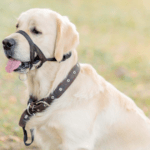
People ask me a lot about harnesses, head halters, no-pull devices. In my experience, equipment is never a solution or substitute for training, it's part of a carefully considered approach that communicates in a way that your dog understands. It's that communication that's often missing when you're struggling at the end of the leash.
Some dogs — especially large, strong dogs with a lot of drive or a serious pulling history — do benefit from additional communication tools during training. Each case is different and I work with the dog in front of me, making adjustments as needed.
When the Problem is Bigger than Leash-Pulling
Sometimes what looks like leash pulling is leash reactivity. This dog isn't just moving forward, but fixating, lunging, and losing their mind over specific triggers. This is a different problem with a different solution, and managing it the same way as regular pulling usually doesn't work.
If your dog is calm on leash in some environments and explosive in others, it's more likely a reactivity issue worth addressing separately—one that I also help owners solve.
How Long Does It Take?
Depends on the dog, the history, and on how consistent you are outside of sessions. A young dog with no strong pulling habits might get this in a week of daily work. A dog who's been dragging their owner for three years is going to take longer — the habit is deep and the reinforcement history is long.
Either way, it's fixable. I've never met a dog that couldn't learn to walk on a loose leash with the right approach and enough patience.
Discover more from Cowboy & Co Canine Training
Subscribe to get the latest posts sent to your email.