Summer is here and it’s time to think about keeping our dogs safe from heat stress and heat stroke.
I don’t know about you, but I am busy arranging training sessions to avoid the summer heat while still giving my clients what they need for their dogs. The short answer is… it depends.
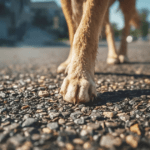
Grassy, shaded parks are mostly okay — but across the DFW metroplex, the morning air temp is already pushing 85°F, and the asphalt has hit 110°F. That changes things quickly.
Because I go to my clients, hot summer weather in East Dallas means I have to adjust every training plan around temperature. Knowing the best times of day, where the dog can actually get their needs met, and whether there’s real shade (not just a tree that looks helpful) becomes critical.
The dog’s health and safety come first. Always.
Heat Stress and Heat Stroke Are Not the Same
Before a dog ever shows signs of heat stroke, heat stress shows up first — just like it does in humans. And catching it early is usually the difference between “let’s take a break and cool off” and “we need to get Fluffy to ER now.”
Here’s what heat stress looks like in real life:
- Rectal temperature of 104–106°F. Dogs normally run between 100.0°F and 102.5°F, so 104°F is too high.
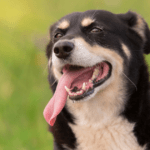
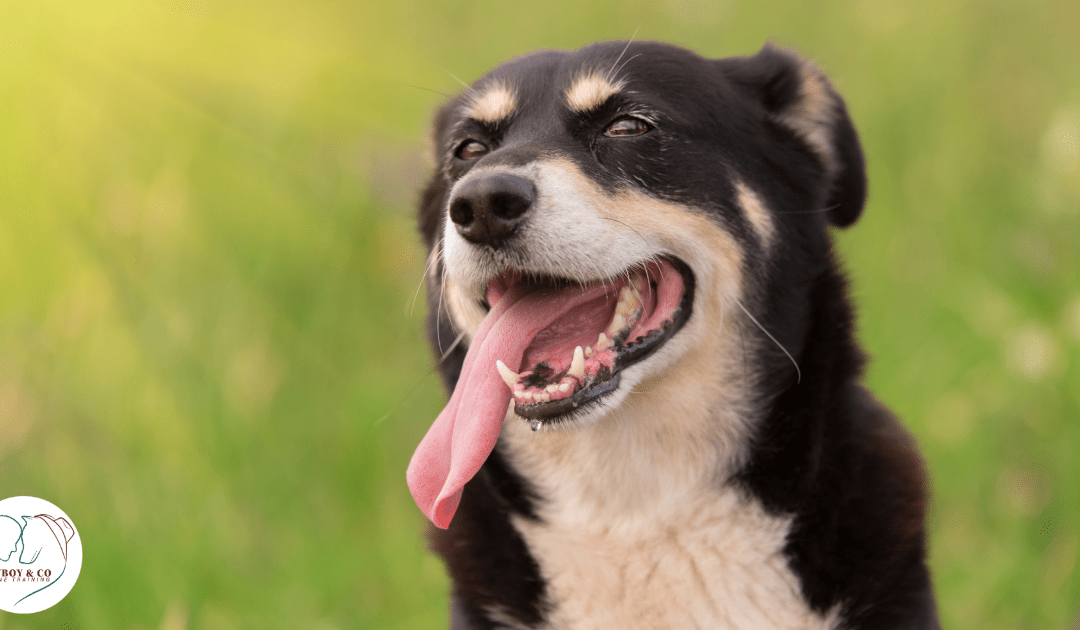
- Panting that becomes more obvious and exaggerated. A dog’s panting progresses as they get hotter. It starts with their mouth relaxed and slightly open. As their body temperature rises, their mouth opens wider, their tongue swells up a little and hangs to the side. If their tongue is hanging off to the side, it’s time to cool them off.
- Restlessness or whining. Even if your dog is really vocal normally, they’ll express their discomfort even more so…or in the opposite direction and might be disturbingly quiet. Look for odd behaviors like an inability to get comfortable or unusual whining.
- Trouble catching their breath. This is like when you’ve been out in the heat working, then come inside and have trouble getting your breathing to slow down initially. Your body is still trying shed excess heat.
- Excessive drooling that gets thicker and rope-like. Even if your Saint Bernard slobbers like it’s going out of style, it’ll get even worse.
- Lethargy or reluctance to engage. An overheated dog will most likely be less interested in doing anything with you or for themselves.
- Spoon tongue — everyone talks about spoon tongue. But what does that mean? In the case of heat stress or stroke, your dog's tongue will spread out at the tip and the edges will curl in, like a spoon or ladle. To put it another way, if you look at your dog's tongue and your first thought is... "How do you fit that thing in your mouth?" Your dog is probably overheating.
Most dogs with heat stress can recover on their own if you give them the chance with some shade, water, A/C, and a cool tile floor.
But if you miss that window, heat stress can easily turn into heat stroke.
When Heat Stress Becomes Heat Stroke
If heat stress tips over into heat stroke, we have left the “wait and see” territory and entered medical emergency territory.
At this point, the dog’s body is no longer able to cool itself effectively, and internal temperatures typically climb above 105°F.
The signs are hard to ignore once you know what you’re looking for:
- Very intense panting or breathing that seems truly frantic. Because your dog's main cooling system is through panting and the tongue, when it seems frantic or so intense they can't calm it down, it can be a sign of heat stroke.
- Tongue that does not fit in the mouth. Their tongue will be swollen, spread out, and become truly ladle-like. While this can happen in heat stress, it's more extreme when it tips over into heat stroke.
- Gums that are bright red, pale, or even bluish instead of a normal pink. Changes in gum color can often indicate something wrong, so keep an eye on your dog's gums when they're out in the heat.
- Vomiting or diarrhea.
- Disorientation, stumbling, or acting “out of it." Any sudden behavioral changes like this are warning signs of something bigger.
- In severe cases, seizures or loss of consciousness can happen.
What’s happening here is bigger than just “being too hot.” The body is struggling system-wide, and without intervention, it can lead to organ damage or worse.
And the part most people don’t realize is how fast this can happen. It's sometimes much faster than you’d expect based on how the day “feels.”
What To Do in the Moment
Whether it's heat stress and they just need to cool off, or heat stroke and you're on the way to the vet. There are simple things you can do to cool them off safely. Beginning with getting them out of the heat immediately. Get to some shade, inside the house, or your car with the A/C running.
When it comes to cooling them down, this is where people mean well… and sometimes make things worse.
Do not completely soak your dog or submerge them in water.
This can easily cause blood vessels to constrict and make it harder for them to thermoregulate. It can even send them into shock.
Instead, use cool but not ice cold water and splash it on the belly, armpits, and paws. Get them to lay down on a wet towel somewhere with air movement — a portable fan is a great option. Your goal is gradual cooling, not shocking their system.
If they've shown any signs of heat stroke (not just stress), don’t wait to see if they “bounce back.” Just go.
Even if they seem better after a few minutes, heat stroke can cause internal damage that you won’t see right away. They still need to be checked out by a vet.
Why This Happens So Easily in North Texas
Dogs just aren’t built for North Texas summers.
The only sweat glands they have are in their pads, and panting is their main cooling system. So, when the temperature and humidity both climb, their system gets overwhelmed.
When you add in hot ground, direct sun, and a little bit of activity, it creates a situation where heat builds faster than it can escape. That’s where dogs get into trouble.
Dogs That Need Extra Consideration
Some dogs just can't take the heat. But if you know it ahead of time, you can plan better.
Be especially careful with:
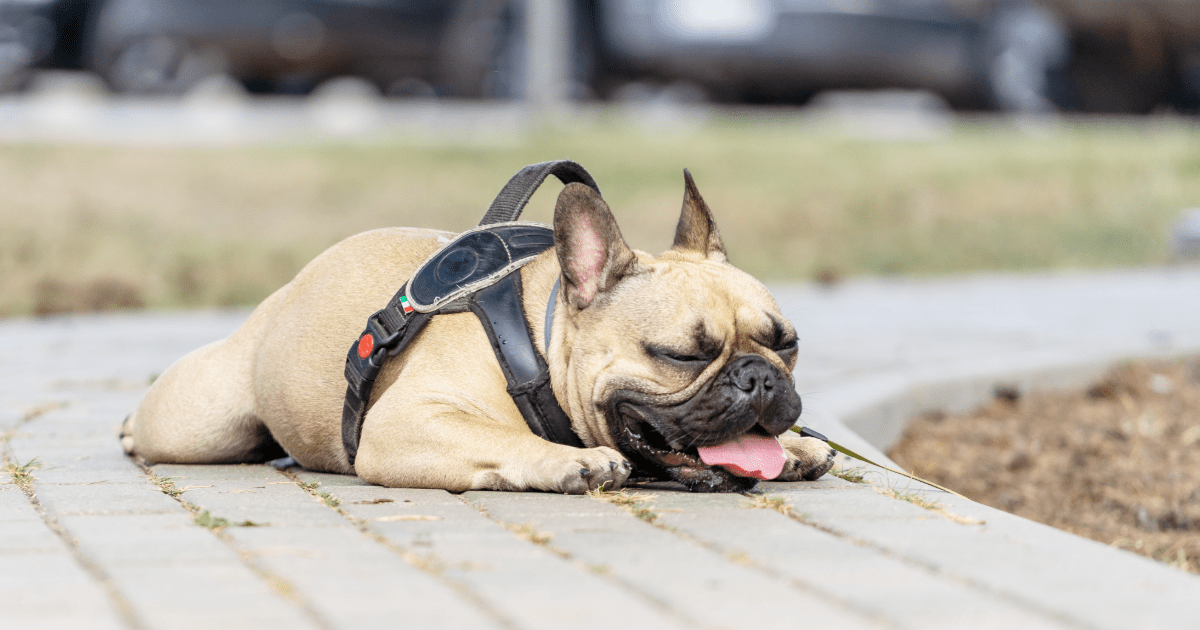
- Flat-faced breeds like bulldogs, boxers, and pugs
- Puppies and senior dogs
- Overweight dogs
- Dogs with thick coats or underlying health issues
With these dogs, I often adjust sessions even more — shorter duration, more breaks, or just moving things indoors entirely.
Prevention Is Everything
This is the part that really matters—the stuff we can control.
- Work early in the morning or later in the evening — before 8am or after 8pm.
- Stay on grass whenever possible and avoid hot pavement.
- Make sure there’s always access to cool water and real shade.
- Build in more breaks than you think you need.
And the one we all know, but it still needs to be said: never leave your dog in the car. Even when it doesn’t seem that hot, it gets dangerous fast.
A Final Note on Summer Time Training
This is why my summer schedule looks the way it does, with early morning and later evening sessions.
It may look like I'm being overly cautious, when the reality is I understand how quickly things can shift. A productive training session loses its value when the dog overheats and can't cool off.
A safe dog is always the priority. Because in East Dallas, the line between “a little warm” and “a real problem” is a lot thinner than most people think.
Ready to get some expert eyes on your training?
Book a free consultation to find out how I can help you.
Discover more from Cowboy & Co Canine Training
Subscribe to get the latest posts sent to your email.